Drain Problems We Repair
From Slow Drains To Recurring Backups
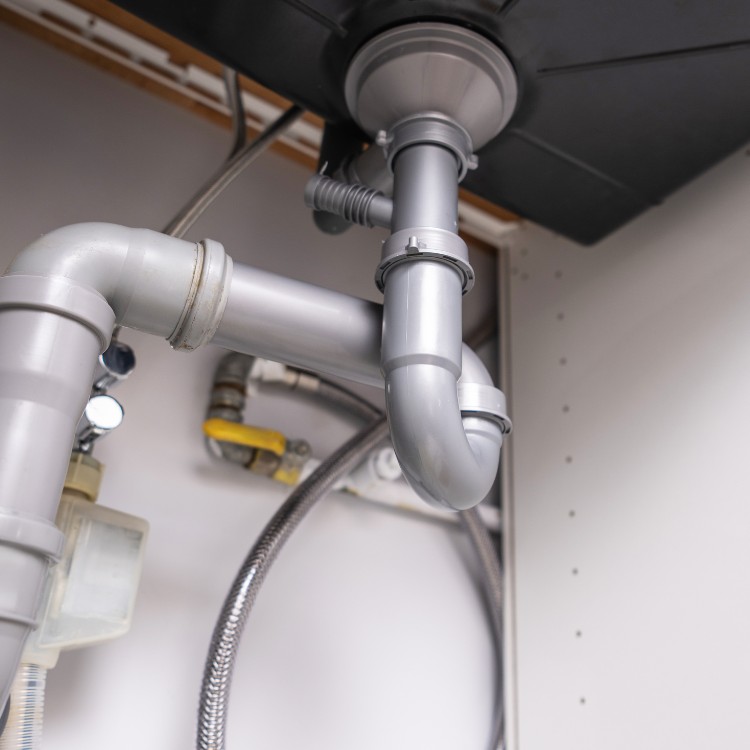
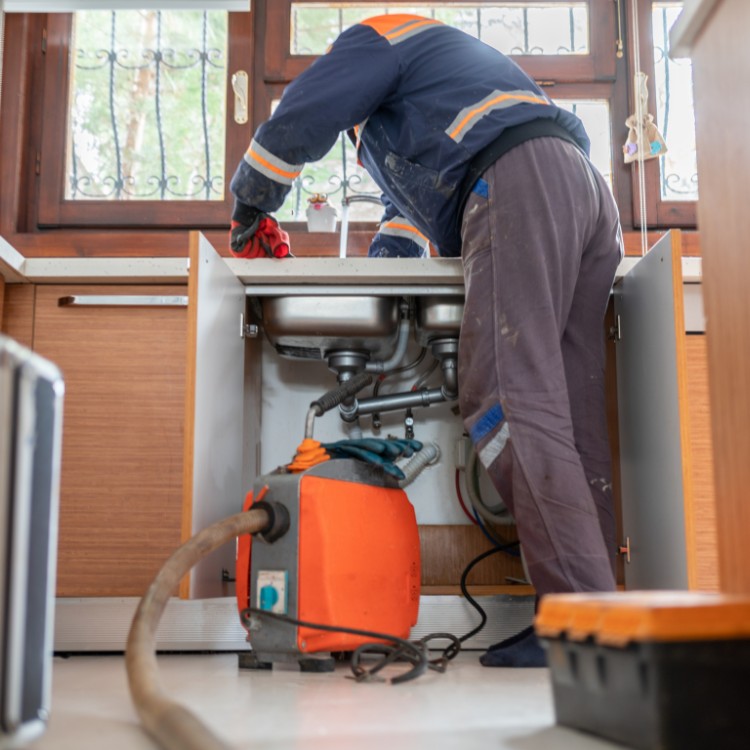
Drain issues often start small—like a slow sink or a gurgling toilet—but can quickly turn into leaks, water damage, and unsanitary backups. We repair common residential drain problems including cracked or separated drain lines, leaking traps, failing cleanouts, loose fittings, collapsed sections, and persistent clogs that keep returning after store-bought treatments.
Our drain repair approach focuses on finding the true cause of the problem instead of masking symptoms. Whether the issue is localized under a sink, within a wall, or farther down the main drain line, we identify the failure point, explain the repair options clearly, and restore proper flow with durable materials and proven methods.
Accurate Diagnosis And Code-Minded Repairs
Effective drain repair begins with accurate troubleshooting. We inspect visible plumbing, test drainage performance, and evaluate likely contributing factors such as improper slope, venting issues, damaged fittings, or buildup that indicates a deeper obstruction. When needed, we use targeted access points and cleanouts to pinpoint where the line is compromised or restricted.
Once the cause is confirmed, we complete the repair using dependable components and workmanship designed to last. That can include replacing a worn P-trap, resealing joints, rebuilding a leaking connection, repairing a damaged section of pipe, or correcting improper transitions that lead to recurring blockages. We prioritize repairs that protect your home, reduce future maintenance, and restore consistent drainage.
What Creates Leaks, Odors, And Blockages
Drain systems fail for a variety of reasons, and many are preventable with the right repair and maintenance strategy. Aging materials can become brittle, seals can dry out, and past DIY work may leave behind poorly aligned fittings or incorrect pipe sizing that catches debris over time. Even small misalignments can cause frequent clogs and slow drainage.
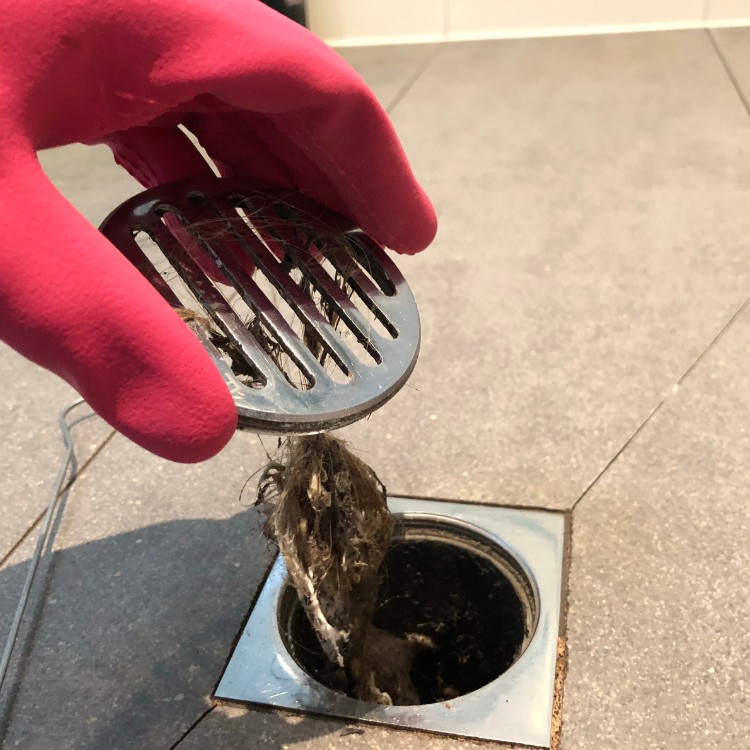
Grease, soap scum, food waste, hair, and mineral buildup are frequent contributors to restricted lines. When a drain is repeatedly clogged, it can signal more than buildup—it can point to a belly in the line, a partial collapse, or a compromised joint that catches debris. Odors may indicate a dry trap, improper venting, or a leak allowing sewer gases to escape.
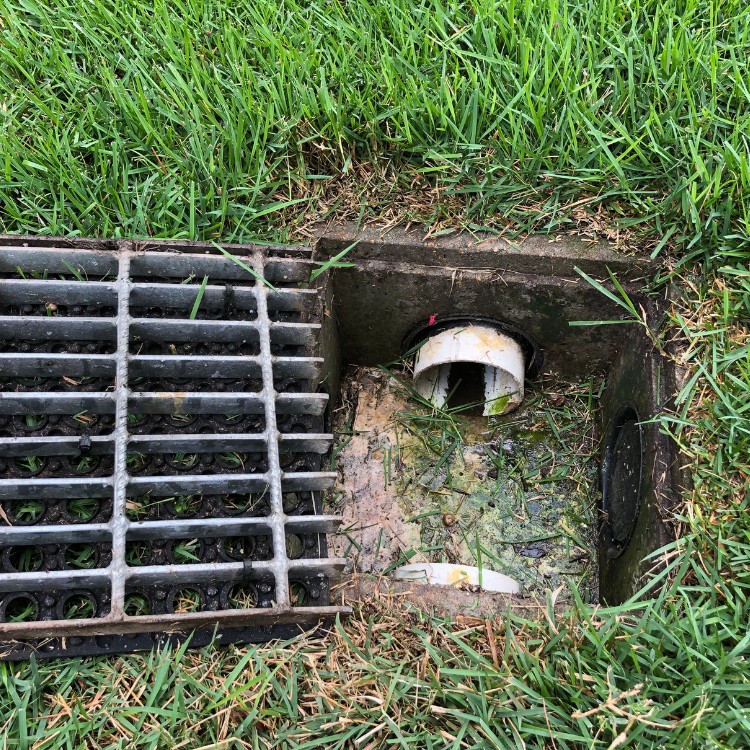
Tree root intrusion and ground movement can also damage underground drain lines, leading to cracks and separations. If you notice recurring backups, wet spots in the yard, or multiple fixtures draining slowly at once, it’s often a sign the main line is affected and needs a professional repair plan rather than repeated temporary clearing.
Talk with an Expert
Start your service request today!
Locally Owned
Local crew, proven craftsmanship, done right.
Reliable
On-time scheduling and consistent results.
Free Estimates
Clear pricing before the first line is drawn.